Michael Girard is an explorer, writer, and public speaker whose fieldwork investigates caves, flooded mines, and overlooked historical places. Combining archival research with underwater robotics, he contributes to scientific and historical inquiry, then brings readers and audiences into the process of discovery through books, articles, films, and illustrated talks.
For journalists · producers · event hosts
Press resources
Background, images, and a direct path to arrange an interview, request a photograph, or check a detail before publication.
At a glance
A question leads into the field.
Michael Girard is an explorer, writer, and public speaker whose work investigates caves, flooded mines, and overlooked historical places. He combines field observation, archival research, and underwater robotics, then brings audiences into the search through books, articles, films, and talks.
Media and interview requests ↗Biographical background
Three ways to introduce Michael.
These drafts can be adapted for an event program or story. Please confirm current affiliations and titles before publication.
Michael Girard is an explorer, writer, and public speaker drawn to places where geology and history leave questions unfinished. His work in caves, flooded mines, and historical landscapes combines field observation, archival records, and remotely operated underwater vehicles. In Mexico's Sistema Calera, he has helped investigate a cave system with Late Pleistocene fossil evidence; closer to home, he follows old accounts into overlooked caves and mine workings. Girard writes and speaks about both the evidence and the journey of finding it. His Sistema Calera fieldwork and ROV Robo-Teddy feature in The Crypt of the Megafauna, written by Luis and Jordi Espinasa.
Michael Girard is an explorer, writer, and public speaker who follows scientific and historical questions into caves, flooded mines, and places that have slipped from common memory. A nineteenth-century map, an old field report, a change in the rock, or an opening below the waterline can begin an investigation. From there, the work may mean comparing archival accounts, returning to a site with collaborators, or using a remotely operated underwater vehicle to bring back images from passages beyond ordinary access.
Girard's fieldwork includes investigations of Sistema Calera in Mexico, where cave passages hold Late Pleistocene fossil evidence, as well as caves and historic mines in the northeastern United States. He treats what the camera can show, what the historical record says, and what remains an interpretation as distinct parts of the story. His collaborators include documentary filmmaker Mike Sandone, whose films have brought several of these expeditions to wider audiences.
Girard and his ROV Robo-Teddy are featured in The Crypt of the Megafauna, written by Luis and Jordi Espinasa. Girard is a member of The Explorers Club, the National Speleological Society, and the American Spelean History Association. Through writing, films, and public speaking, he invites audiences to experience the search as it unfolded: the preparation, the surprises, the evidence, and the questions still open at the end.
Image selection
Portraits and fieldwork.
These previews help you identify the right image. For a publication-quality file, photographer credit, and terms of use, send a media inquiry with the image title and intended use. Please request permission before reproducing any image. Photographer and creator names for the images across the site are listed in the image credits.
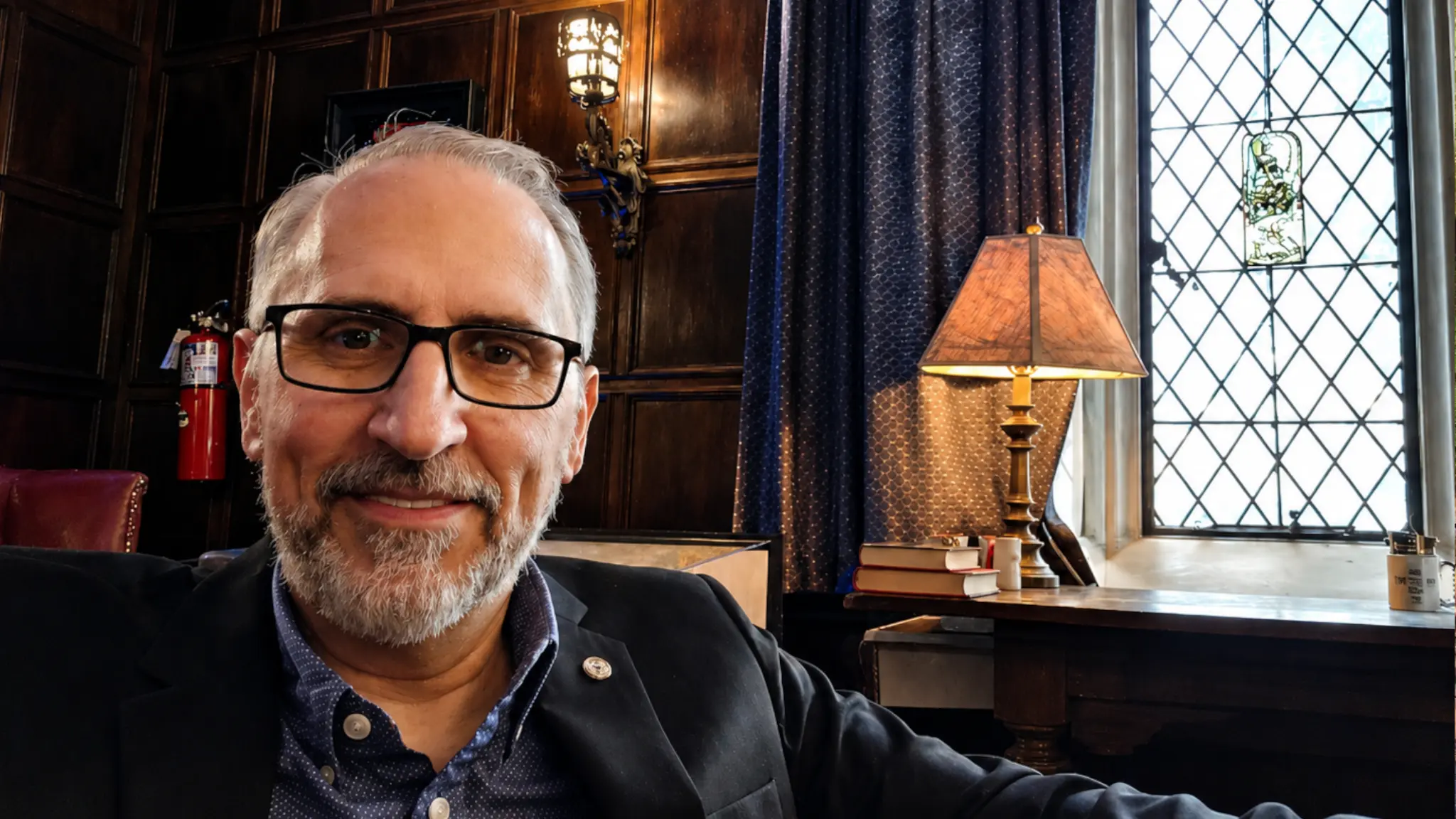
Photo: Michael Girard
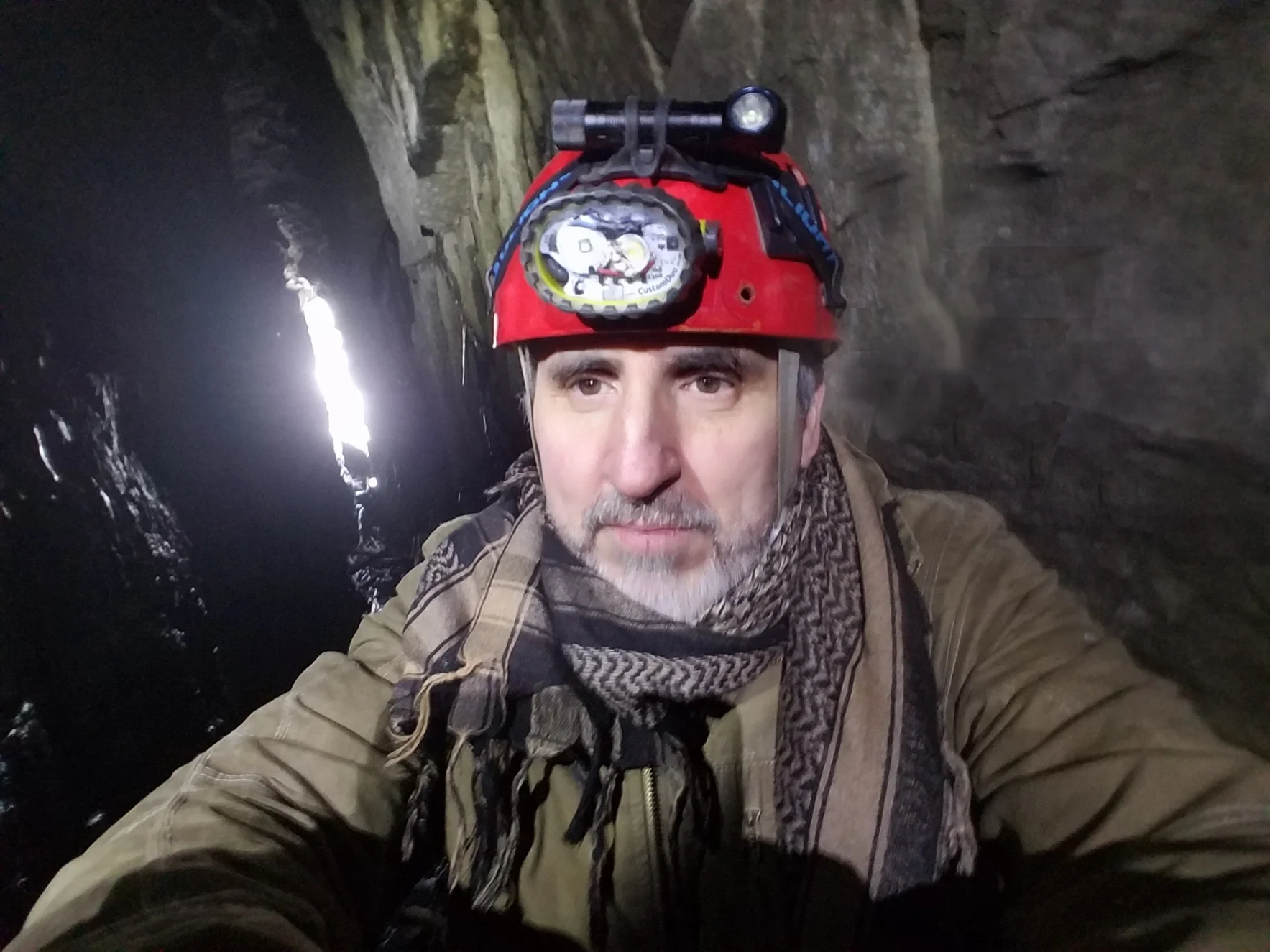
Photo: Michael Girard
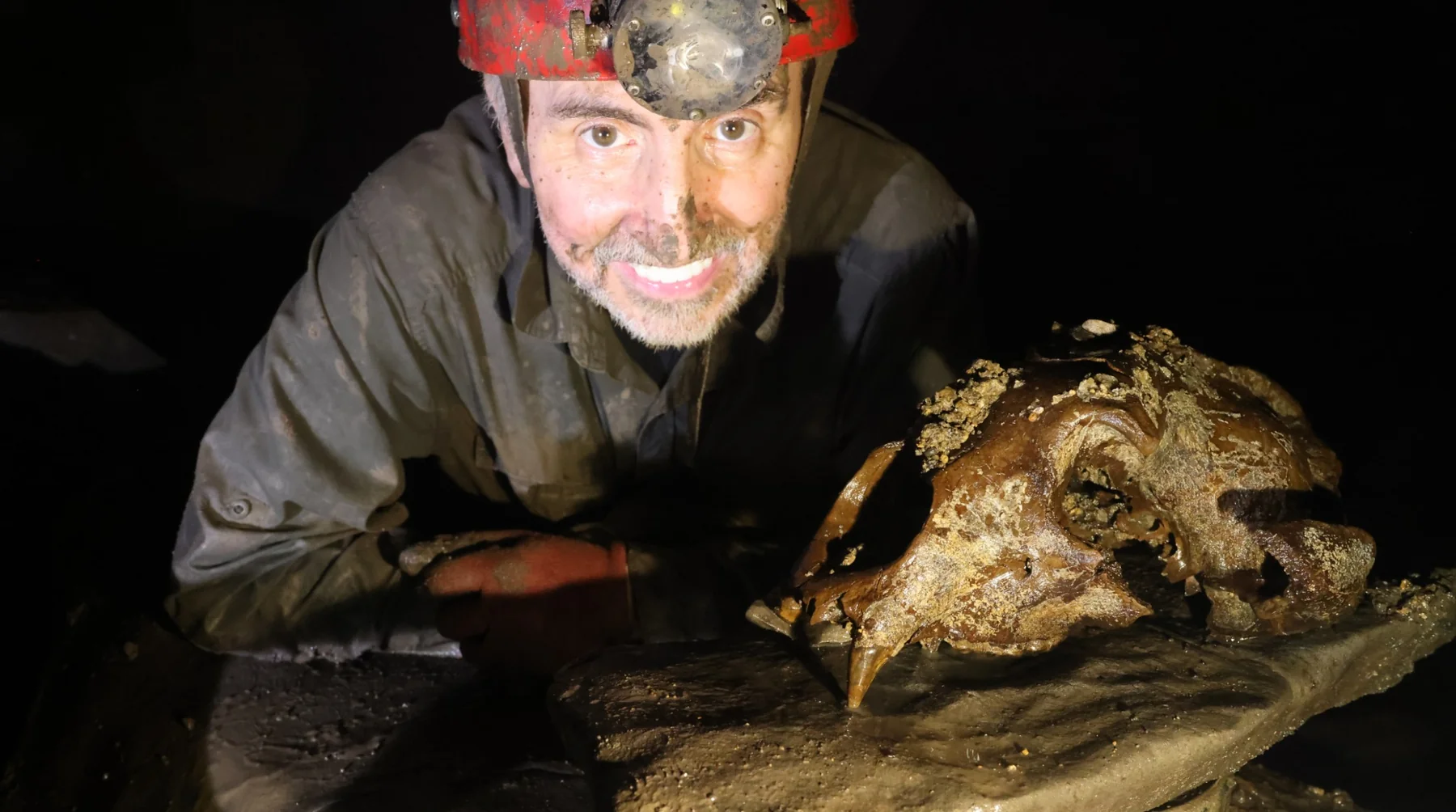
Photo: Mike Sandone
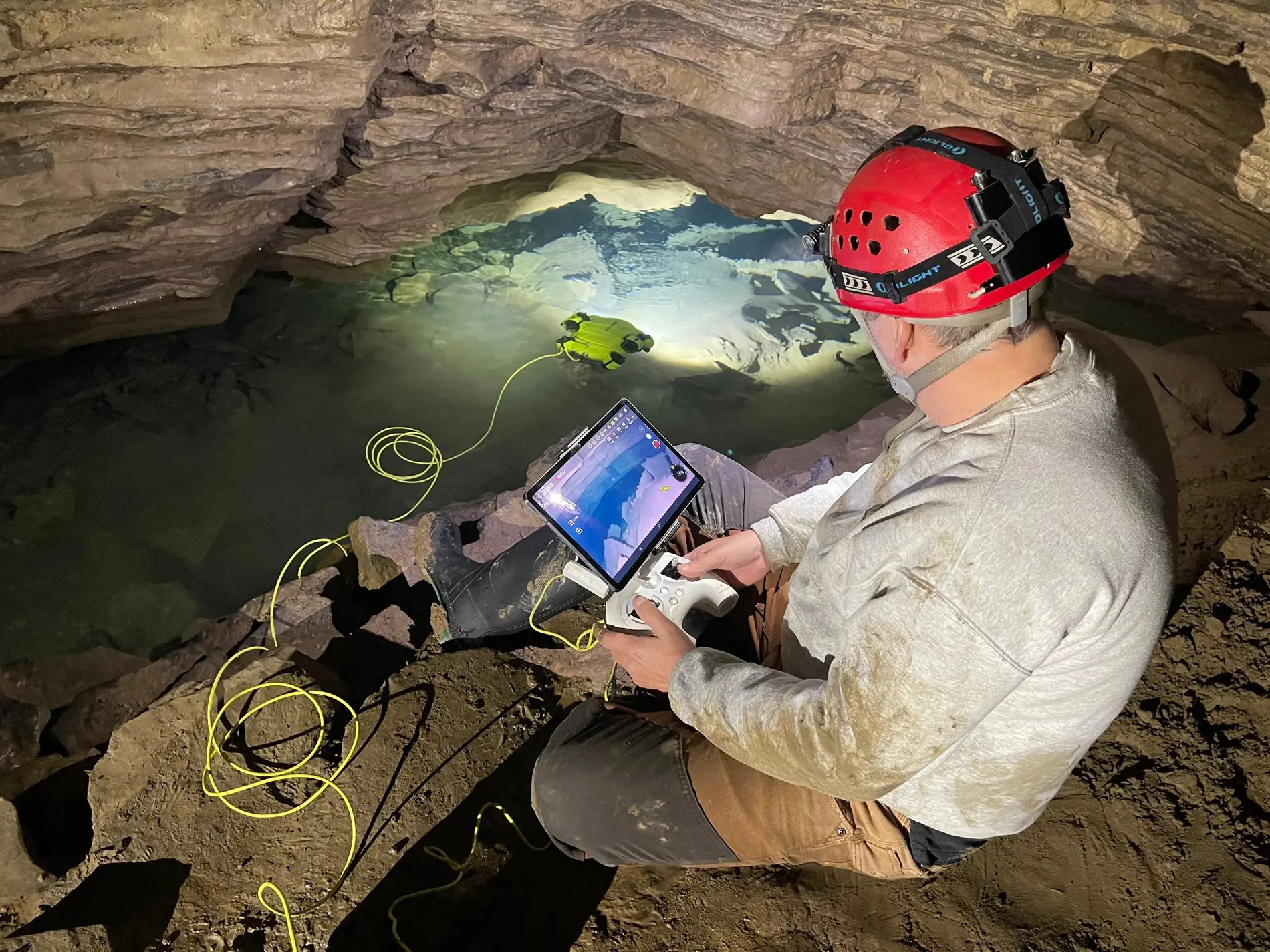
Photo: Mike Sandone
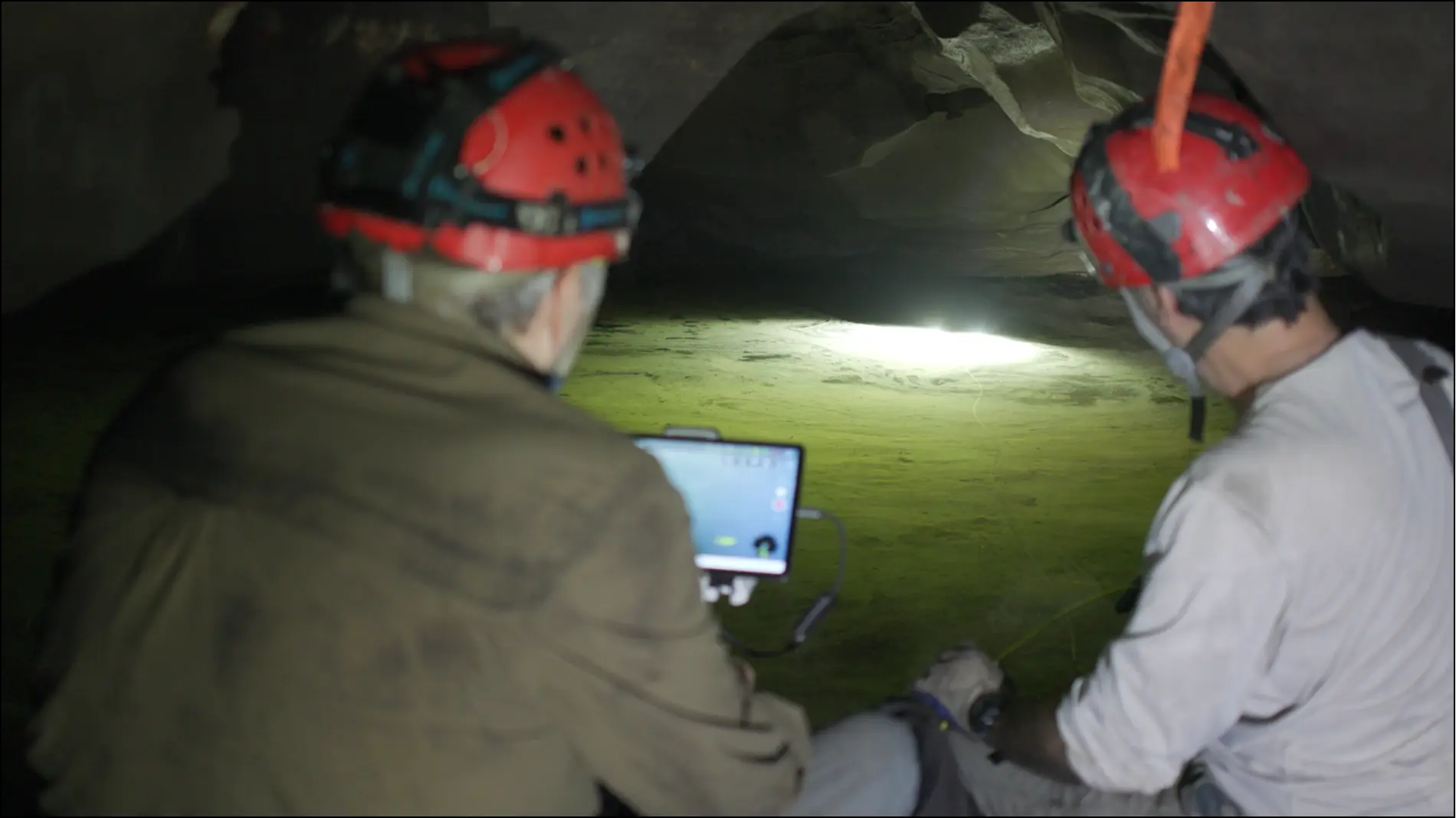
Photo: Mike Sandone
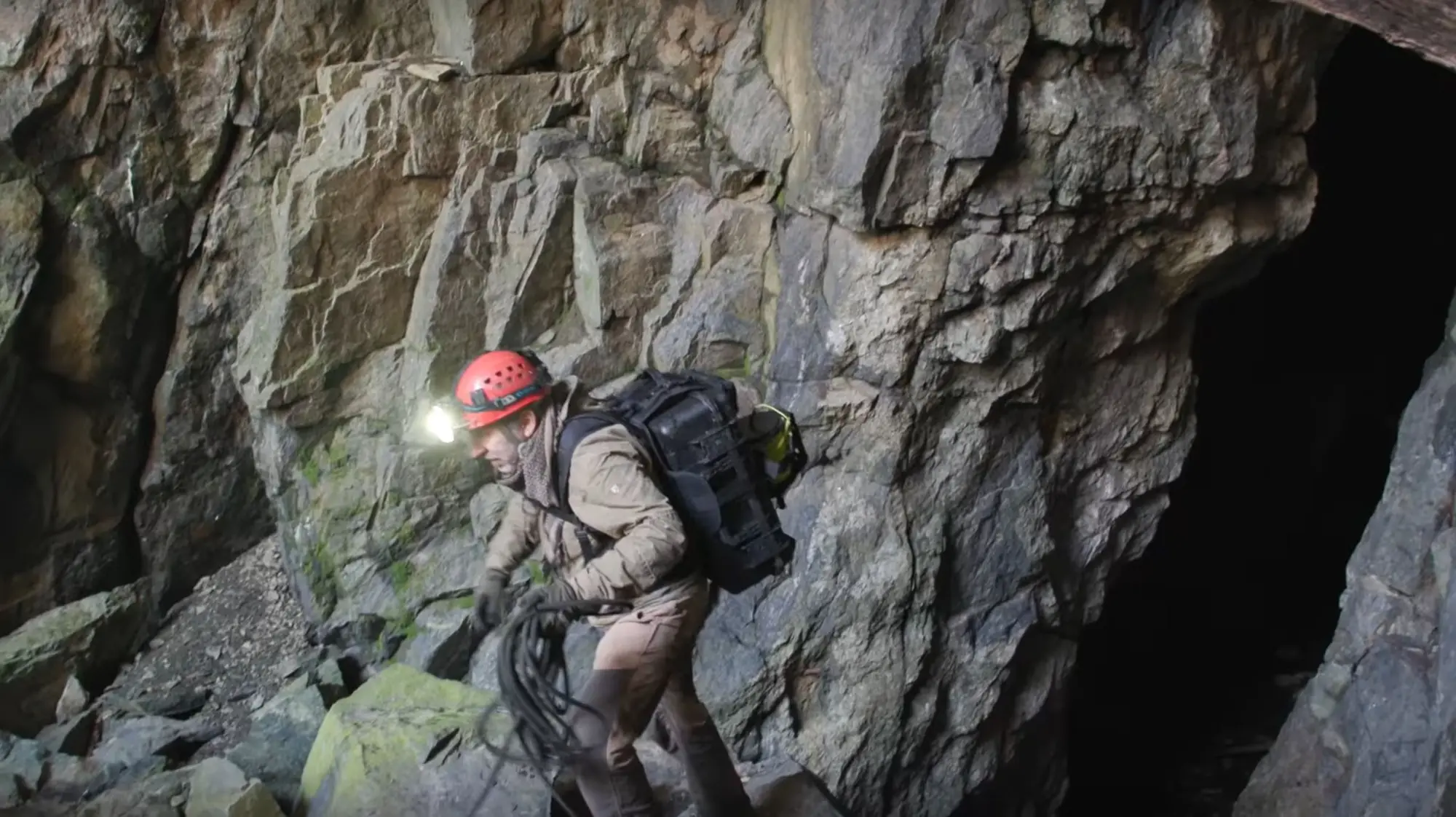
Photo: Mike Sandone
Useful starting points
Follow the work.
Media contact
Need a quote, fact check, or high-resolution image?
Include your outlet, deadline, subject, and the image or topic you have in mind. For book-cover reproduction, request the cover file and its use terms in the same message.
Send a media inquiry ↗